As more families seek meaningful ways to connect with nature and nurture creativity, eco-friendly play has become a growing trend in children’s activities.
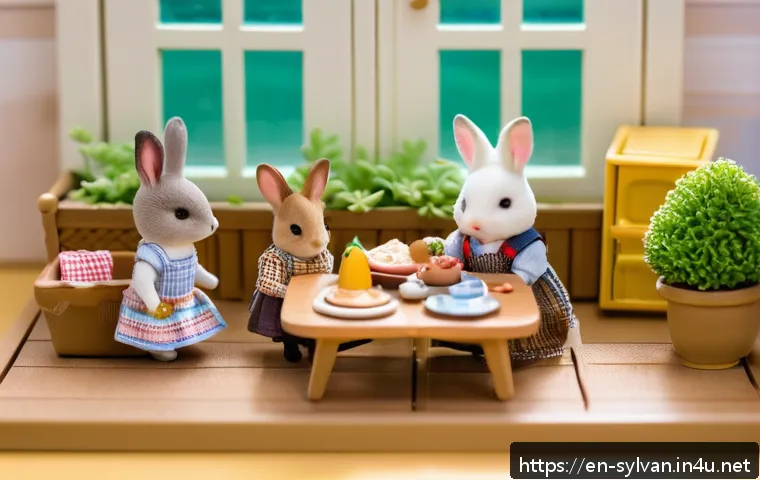
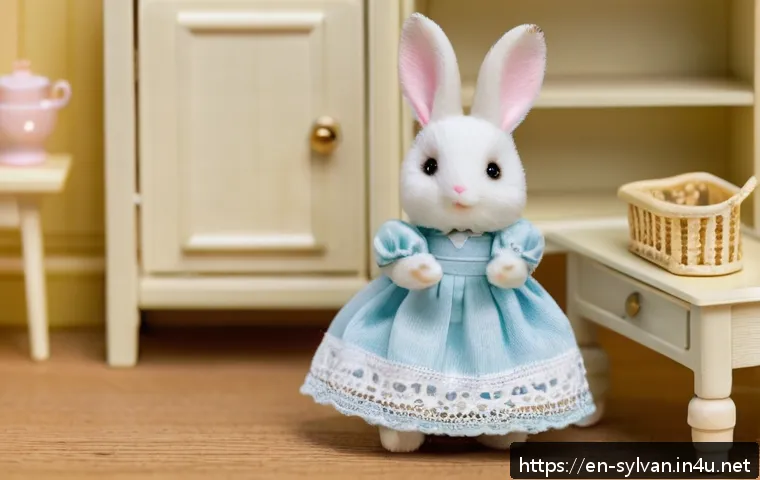
Sylvanian Families, with their charming woodland characters and detailed settings, offer a perfect gateway to imaginative nature adventures that also promote environmental awareness.
In a world where sustainability matters more than ever, incorporating green play ideas can inspire kids to appreciate and protect the natural world. Whether you’re looking to reduce screen time or encourage hands-on learning, these eco-conscious play strategies bring fun and education together seamlessly.
Let’s explore how you can transform your child’s playtime into a delightful journey of discovery and care for the environment.
Creating a Cozy Woodland Scene with Natural Materials
Gathering Inspiration from Real Forests
Spending time outdoors, whether in a local park or a forest preserve, offers endless inspiration for crafting natural play environments. Observing the textures of tree bark, the shapes of leaves, and the colors of wildflowers sparks creativity that children naturally want to replicate.
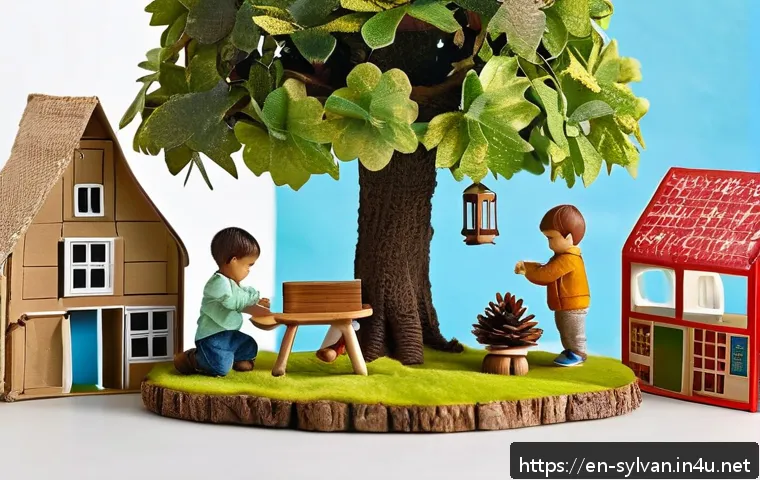
I remember taking my kids on a nature walk where they collected pinecones, acorns, and twigs, which later became the foundation for their Sylvanian Families’ woodland village.
This hands-on connection helps kids understand the beauty and diversity of nature firsthand, making their play more meaningful and grounded in reality.
Using Eco-Friendly Craft Supplies
When it comes to building a woodland scene, choosing eco-conscious materials is key. Items like recycled paper, biodegradable glues, natural dyes, and sustainably sourced wood pieces not only reduce environmental impact but also teach kids about responsible consumption.
I’ve found that swapping out plastic craft kits for homemade versions made from kitchen scraps or garden finds creates a unique, personalized play space.
Plus, these materials often have a tactile richness that synthetic ones can’t match, enhancing sensory engagement during play.
Incorporating Living Elements into Play
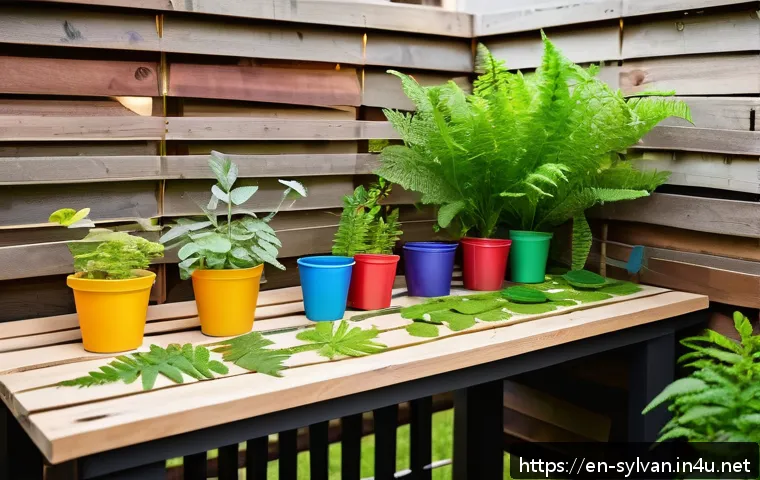
Adding live plants or small potted flowers to your child’s play area transforms it into a dynamic, ever-changing ecosystem. Watching a seed sprout or a flower bloom within the Sylvanian Families’ setup encourages patience and care.
My daughter, for example, became fascinated by how her tiny fern grew over the weeks, integrating it into her storytelling. This interaction fosters a deeper respect for living things and instills a nurturing attitude early on.
Encouraging Storytelling Through Eco-Themed Adventures
Building Narratives Around Environmental Stewardship
Kids love stories, and when those stories involve protecting forests or helping animals, the lessons stick. I’ve seen children create elaborate plots where their Sylvanian characters clean up litter, plant trees, or rescue injured wildlife.
These narratives naturally weave in themes of conservation and responsibility, allowing children to internalize these values in a fun, imaginative way.
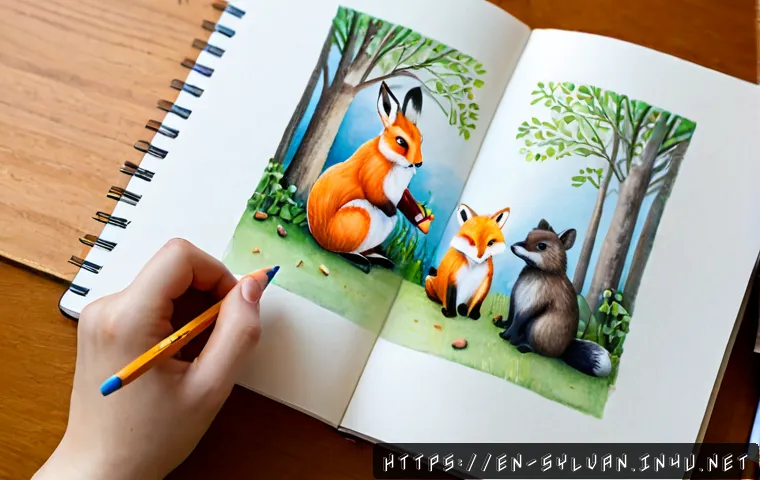
Encouraging kids to journal or draw their stories afterward also boosts literacy and reflection.
Role-Playing Real-World Nature Challenges
Turning playtime into problem-solving sessions where kids face challenges like pollution or habitat loss brings educational value to their adventures.
For instance, setting up scenarios where Sylvanian Families must find clean water or build shelters after a storm helps children think critically about environmental issues.
From my experience, these role-plays spark questions and conversations about sustainability that carry over beyond playtime.
Integrating Seasonal Changes in Play
Reflecting the natural world’s rhythms in play setups adds depth and teaches patience. I like to help my kids adjust their Sylvanian scenes as the seasons shift—adding autumn leaves, winter snow effects, or spring blossoms.
This ongoing transformation keeps play fresh and connects children to the passage of time in nature, encouraging mindfulness and observation skills.
Promoting Hands-On Learning with Outdoor Play
Combining Physical Activity with Nature Exploration
Outdoor play is a perfect opportunity to merge physical movement with environmental education. Activities like scavenger hunts for natural objects or building miniature shelters with sticks get kids moving while sharpening their observation skills.
When I organized a backyard nature hunt, my son was thrilled to find different types of leaves and insects, sparking his curiosity about ecosystems. These experiences are far more memorable than screen-based learning.
Introducing Simple Science Experiments
Nature play offers countless chances to experiment and discover scientific concepts in a playful way. For example, children can test which leaves float or sink, observe how water moves through soil, or watch insects interact with plants.
These simple experiments encourage critical thinking and a scientific mindset. I recall doing a rainwater collection project with my daughter, which led to discussions about weather patterns and water conservation.
Fostering Responsibility Through Garden Projects
Starting a small garden, even in pots or window boxes, helps children grasp the idea of nurturing and sustainability. Caring for plants daily teaches patience and accountability.
I’ve noticed that when my kids help water and tend to their herbs or flowers, they feel proud and more connected to the natural world. Plus, harvesting something edible from their efforts adds a rewarding dimension to play.
Designing Sustainable Play Spaces at Home
Using Upcycled and Natural Furniture
Creating eco-friendly play areas means choosing furniture and decor that minimize waste and environmental harm. Repurposing old wooden crates, pallets, or fabric scraps into play tables or storage bins is both budget-friendly and green.
I converted a worn-out dresser into a Sylvanian Families display case, which gave new life to something that might have been discarded.
Incorporating Renewable Energy Elements
Teaching kids about clean energy can be as simple as integrating solar-powered lights or small wind turbines into their play setup. My son was fascinated by a solar garden lamp that powered a tiny light in his Sylvanian village, leading us to discuss how the sun provides energy.
This hands-on exposure demystifies renewable technologies and encourages eco-friendly thinking.
Maintaining Low Waste and Organized Play
Keeping toys and materials tidy with natural fiber baskets or cloth bags reduces clutter and teaches organizational skills. Limiting plastic packaging and encouraging reuse of play elements fosters a zero-waste mindset.
In my home, we have a rotating toy system where only a few Sylvanian sets are out at once, reducing overstimulation and waste.
Connecting Playtime with Community and Nature Groups
Joining Local Eco-Kids Clubs and Workshops
Many communities offer groups or workshops focused on nature education and sustainability for children. Participating in these activities broadens social connections and reinforces eco-conscious values.
My family attended a weekend nature craft workshop, where kids made bird feeders from recycled materials, which was a hit and sparked new ideas for home play.
Organizing Nature-Themed Playdates
Bringing friends together for outdoor, eco-friendly playdates builds social skills and shared environmental awareness. We often organize backyard picnics combined with nature scavenger hunts or plant potting sessions, which are both fun and educational.
The energy kids bring to collaborative play around nature themes is inspiring and contagious.
Volunteering Together for Environmental Causes
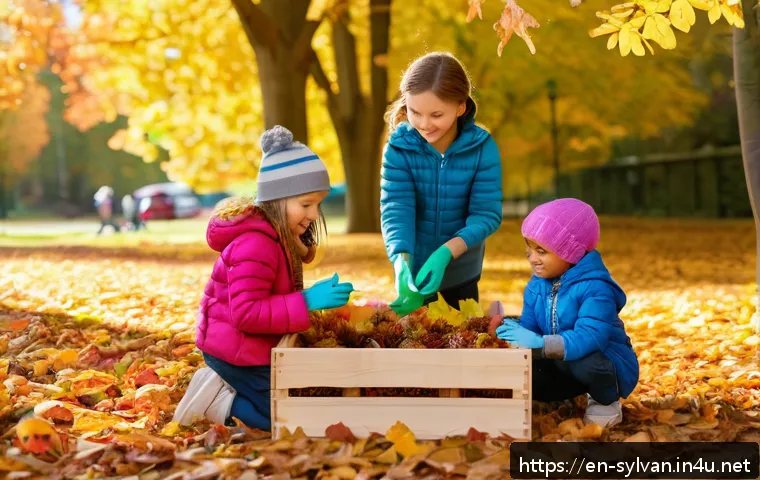
Engaging children in age-appropriate volunteer activities, like park cleanups or tree planting, connects play and real-world impact. I remember how proud my daughter was to help plant saplings in a local park, seeing her Sylvanian characters “join” her in caring for nature.
These experiences plant seeds of lifelong stewardship.
Balancing Screen Time with Nature-Inspired Play
Setting Playtime Routines That Prioritize Outdoor Activities
Establishing daily routines where outdoor or eco-friendly play takes precedence helps reduce screen dependence. I found that scheduling nature walks or garden time before screen use makes the natural world feel like the default fun zone.
This approach requires some patience but pays off with more engaged, joyful kids.
Using Digital Tools to Enhance Nature Learning
Smartphones or tablets can complement outdoor play when used thoughtfully. Apps that identify plants or birds, or augmented reality games that encourage exploration, blend technology with real-world experience.
I’ve seen my son’s enthusiasm skyrocket when he uses an app to identify tree species during our hikes, turning learning into an adventure.
Creating Tech-Free Zones for Imaginative Play
Designating certain areas or times as tech-free encourages kids to dive deeply into creative, hands-on activities. Our family has a “no screens at the table” rule and a cozy corner filled with Sylvanian Families and nature crafts, fostering uninterrupted imaginative play.
This helps kids develop focus and social interaction skills.
| Play Element | Eco-Friendly Option | Benefits | Example |
|---|---|---|---|
| Craft Materials | Recycled paper, natural dyes, biodegradable glue | Reduces waste, teaches sustainability, enhances sensory experience | Homemade leaf prints using natural dyes |
| Furniture | Upcycled wood, fabric scraps for cushions | Cost-effective, reduces landfill, encourages creativity | Converted dresser as toy storage/display |
| Living Elements | Potted plants, small garden plots | Teaches care and responsibility, connects to nature cycles | Child-tended herb garden on balcony |
| Outdoor Activities | Nature scavenger hunts, garden experiments | Promotes physical health, observation skills, and scientific thinking | Rainwater collection experiment |
| Community Engagement | Eco-kids clubs, volunteer cleanups | Builds social skills, instills stewardship, expands learning | Local park tree planting event |
In Closing
Creating a cozy woodland scene with natural materials offers children a rich, hands-on way to connect with nature. Through thoughtful play and eco-friendly choices, kids develop creativity, responsibility, and environmental awareness. These experiences not only nurture imagination but also build lifelong values rooted in sustainability. Embracing nature-inspired play brings joy and meaningful learning into everyday moments.
Helpful Information to Keep in Mind
1. Using recycled and biodegradable craft supplies enhances sensory experiences while teaching kids about sustainability.
2. Incorporating live plants into play areas encourages nurturing and patience, deepening children’s bond with nature.
3. Storytelling and role-playing environmental themes make learning about stewardship engaging and memorable.
4. Outdoor activities combining physical movement and simple science experiments boost curiosity and critical thinking.
5. Balancing screen time with nature-inspired play supports healthy habits and fosters creativity and focus.
Key Takeaways
To create meaningful, eco-friendly play spaces, prioritize natural and upcycled materials that reduce waste and spark creativity. Integrate living elements and seasonal changes to keep play dynamic and connected to real-world rhythms. Encourage storytelling and role-playing that promote environmental responsibility. Combine outdoor physical activity with hands-on science for deeper engagement. Finally, foster community involvement and balance digital use to support holistic development and a lifelong love of nature.
Frequently Asked Questions (FAQ) 📖
Q: uestions about Eco-Friendly Play with Sylvanian FamiliesQ1: How can Sylvanian Families help children develop a connection with nature?
A: Sylvanian Families create a charming miniature world filled with woodland characters and natural settings, which naturally sparks children’s imagination about outdoor life.
By playing with these figures, kids can role-play scenarios involving forests, animals, and environmental care, making abstract concepts like conservation more tangible.
From my experience, when kids build stories around these eco-themed toys, they start to empathize with nature, fostering a genuine appreciation for the environment.
Q: What are some simple ways to incorporate eco-friendly play into daily routines?
A: You don’t need complicated setups to make playtime greener. Try using recycled materials for DIY accessories or nature-inspired crafts alongside Sylvanian Families.
For instance, collecting leaves, twigs, or stones during outdoor walks and integrating them into play scenes not only reduces plastic use but also encourages kids to explore their surroundings actively.
I’ve found that mixing natural elements with toys keeps children engaged longer and helps them understand sustainability in a fun, hands-on way.
Q: How does eco-conscious play reduce screen time effectively?
A: Eco-friendly play invites kids to step away from screens by offering rich, tactile experiences that stimulate creativity and curiosity. Sylvanian Families, with their detailed characters and settings, encourage storytelling and role-playing, which can easily replace passive screen watching.
Parents I’ve spoken to often notice their children choosing these imaginative activities over tablets once they see how fun and immersive they are. The key is to create an inviting, nature-inspired play environment that feels just as exciting as digital entertainment.